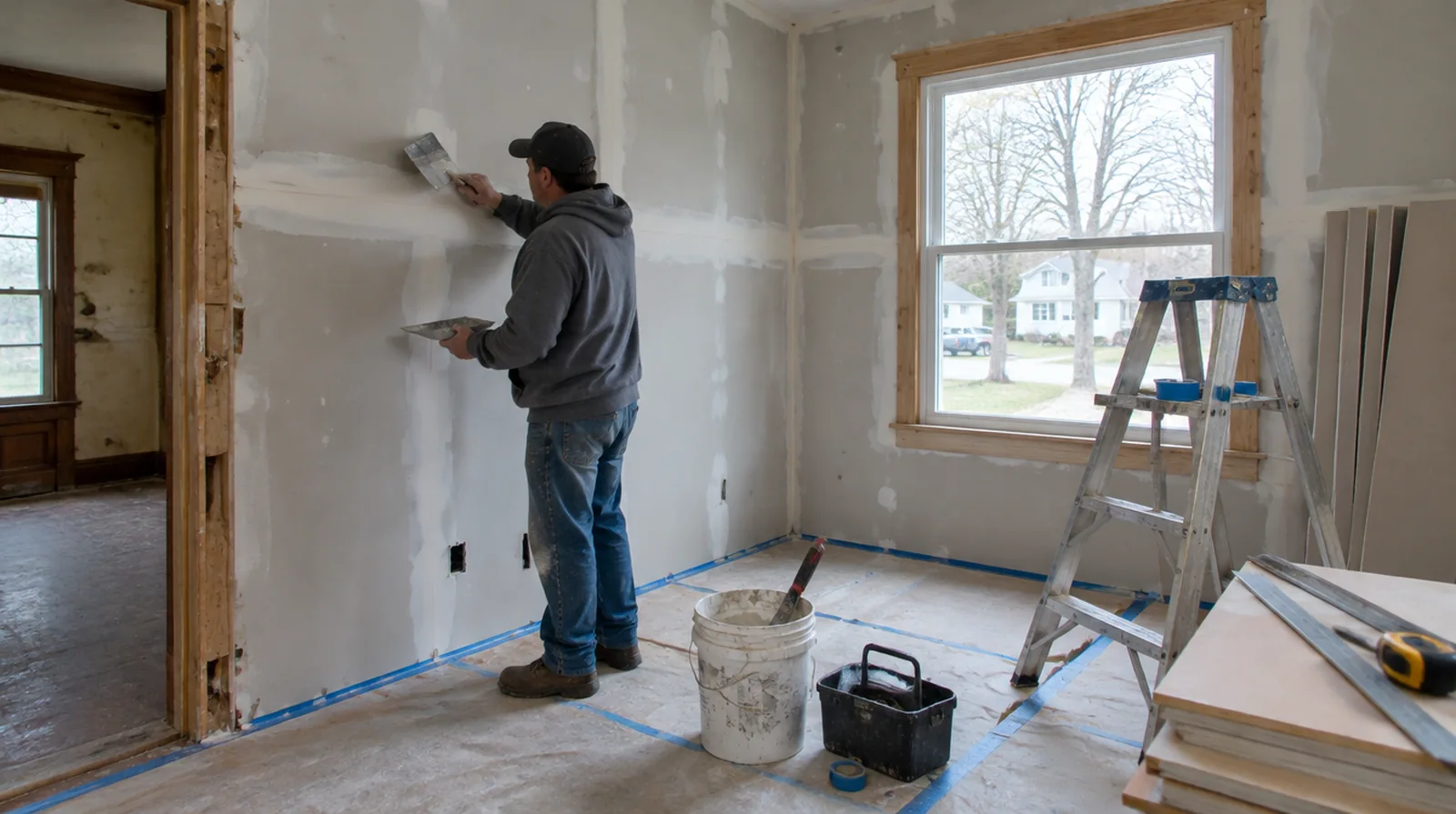
Prepare a sample area
Use a limited trial to compare the scale, distribution and flattening of the proposed finish. Reviewing the sample before coating the full repair reduces uncertainty about the expected blend. For a project involving a building manager, confirm access hours and protection requirements before promising a start date or a short completion window.
Use appropriate primer
New texture and adjacent painted material can absorb finish coats at distinct rates. A suitable primer helps the paint system perform consistently without changing the texture profile unnecessarily. When the decorative coating has been selected, tell the finisher its intended sheen and color while the substrate preparation standard is still being agreed.
Consider hand applied surfaces
For a troweled pattern, the tool movement and the spacing between its marks matter. A sample is particularly helpful when the existing finish was created without a regular sprayed pattern. Where a surface has been painted many times, consider whether differences in texture or sheen will require a wider decorative treatment.
Set realistic blend expectations
Age, paint buildup and irregular original application can limit how closely a patch can blend. If local matching remains obvious, discuss whether a wider surface treatment would be preferable. When the decorative coating has been selected, tell the finisher its intended sheen and color while the preparation of the surface standard is still being agreed.
Protect surrounding finishes
Mask adjacent materials against sprayed compound and other application debris. Protect the full reach of the operation, including fittings and trim beyond the original damaged spot. Where flooring is staying in place, agree on protective coverings and check that tools and material handling will not damage the visible finish.
Allow time before painting
Applying paint before the texture has dried can disturb the pattern or produce uneven absorption. The quote should explain whether the next decorating stage is included or left to a painter. At the handover inspection, review the finish from ordinary room positions using the lighting conditions that were agreed for the work.
Control application conditions
Compound consistency and application distance affect how a sprayed pattern lands on the wall surface. Room conditions and drying rate also influence when a knockdown pass ought to be made. Where flooring is staying in place, agree on protective coverings and check that tools and material handling will not damage the visible finish.
Study the paint layers
Older paint coats may have filled or rounded the original texture profile. A fresh application could need adjustment to resemble the current surface rather than the original texture recipe. When comparing competing estimates, make sure their protection, surface finish and disposal allowances describe equivalent work before comparing the final prices.
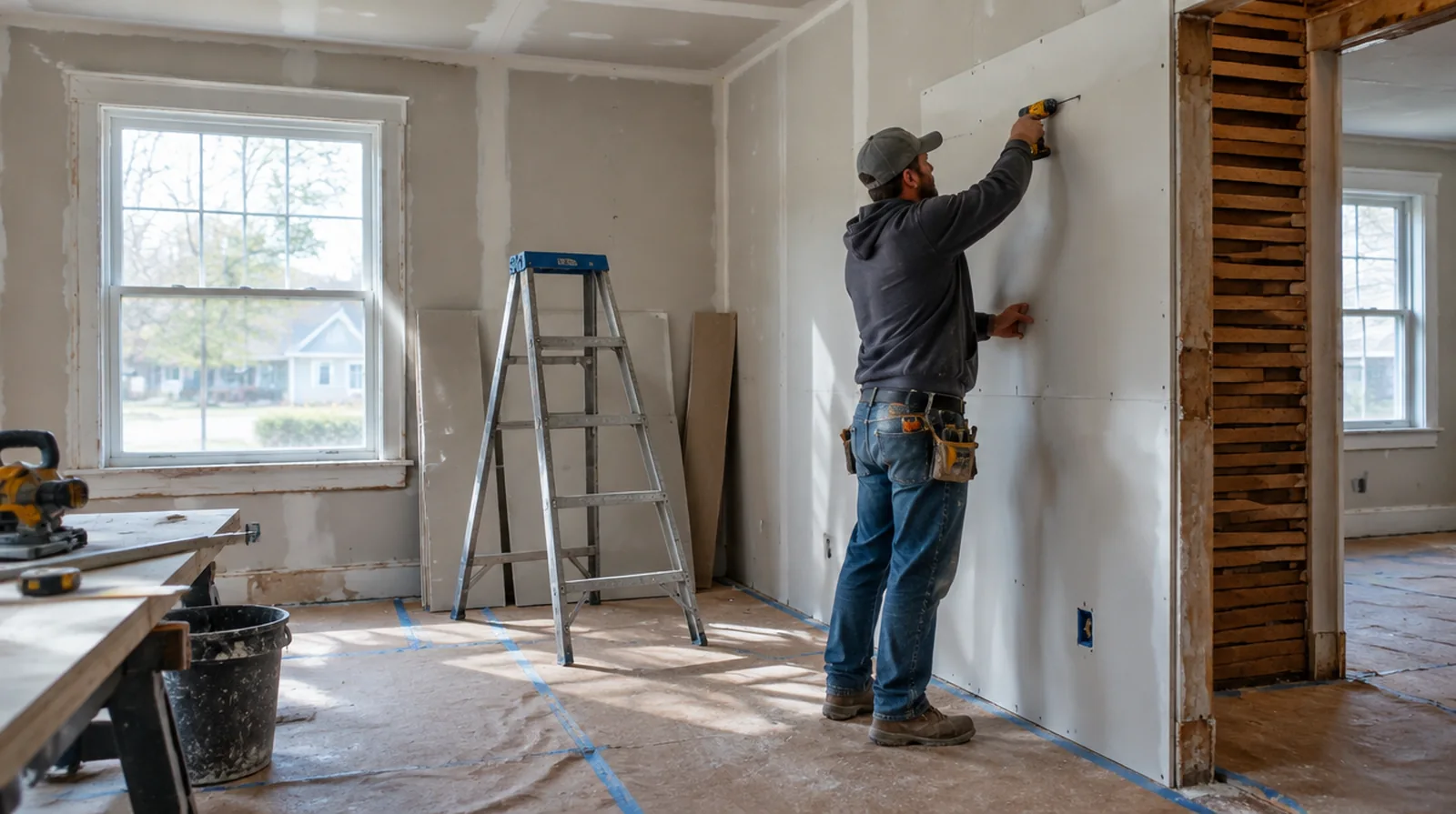
Check the underlying repair
A matching texture cannot hide a raised patch edge or a panel that sits proud of the wall. The base repair ought to be flat and firmly bonded before a decorative pattern is added. If the interior will remain occupied, identify a practical separation between the protected room and the space that still needs daily access.
Blend beyond the patch
An abrupt rectangular texture boundary often draws attention even when the pattern itself is close. Feathering the application into adjacent sound material can soften the transition around the repair. If the wall surface work belongs to a broader renovation, coordinate its order with flooring, cabinetry and trim instead of scheduling finishing in isolation.
Project context in Independence
Agree whether the repair covers the full stair wall or only the cracked area. Old homes may have walls that are out of plumb, which affects how a new sheet meets the corner.
Scope questions before finishing
For a room with restricted airflow, plan drying conditions alongside dust protection and the comfort of people occupying neighboring spaces.
For a surface carrying numerous paint layers, discuss whether differences in the retained profile or sheen justify decorating a broader area.
When reviewing the finished work, use the agreed lighting and natural room viewpoints so the assessment reflects the intended use of the space.
If the coating stability is unclear, assess which layers are adequately bonded and which should be removed rather than simply hidden beneath new material.
When the wall has strong reflected light, look at the full plane rather than judging only the narrow strip immediately beside the patch.
If the proposal requires return visits, identify the purpose of each stage and the intervals during which finishing material needs to remain undisturbed.
For a distinctive existing pattern, retain a reference sample or detailed picture to make the matching discussion more specific.
When the decorative coating has been selected, tell the finisher its intended sheen and color while the surface preparation standard is still being agreed.
Where light reflects along the wall, inspect the complete plane instead of limiting the review to the edge immediately next to the repaired section.
When a quote includes multiple visits, ask what happens during each stage and when the space needs to remain undisturbed between coats.
For a wall receiving a decorative covering, provide its preparation requirements early sufficient for the drywall finish to support that product.
When a wall has repeated defects, keep a record of earlier repair attempts so a new assessment does not simply repeat an unsuccessful approach.
Explore the Independence drywall overview for related options, or read the project planning information before arranging the next stage.
More planning details for Independence
Independence has many older frame houses where stairwell walls move a little between humid summer and dry winter heating. Seams that crack every winter usually need better reinforcement, not just more compound. Tell the assessor when the crack appears and whether it closes in summer.